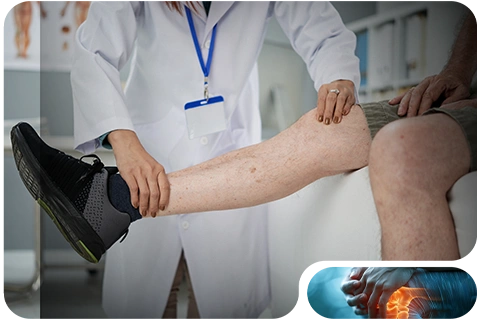
Platelet-rich plasma (PRP) therapy has emerged as a cutting-edge solution for joint pain, offering a biologically driven alternative to traditional surgeries and long-term medication use. In the vibrant medical landscape of Miami, clinics specializing in regenerative medicine are refining protocols to maximize the healing potential of a patient’s own blood components. Understanding how PRP works, the criteria for ideal candidates, and the best practices for administering the treatment can help individuals make informed decisions about joint health and longevity.
How PRP Therapy Works for Joint Regeneration
PRP therapy leverages the body’s natural healing cascade. A small volume of blood is drawn, centrifuged to concentrate platelets, and then re-injected into the affected joint. Platelets release growth factors such as PDGF, TGF-??, and VEGF, which stimulate tissue repair, reduce inflammation, and promote the formation of new cartilage.
Key Biological Mechanisms
- Growth factor release: Accelerates fibroblast proliferation and collagen synthesis.
- Anti-inflammatory effect: Modulates cytokine activity, decreasing pain and swelling.
- Angiogenesis: Improves blood supply to damaged joint structures, enhancing nutrient delivery.
Identifying Ideal Candidates
Not every joint condition responds equally to PRP. The most favorable outcomes are observed in patients with early-stage osteoarthritis, mild to moderate cartilage wear, or post-injury inflammation. Candidates typically meet the following criteria:
- Age between 30 and 65, with relatively healthy platelet function.
- Localized joint pain that has not responded adequately to physical therapy or NSAIDs.
- Absence of severe joint degeneration requiring joint replacement.
- No active infection, blood clotting disorders, or malignancy.
For those uncertain about eligibility, a prp treatment consultation can clarify expectations and outline a personalized plan.
Best Practices in Miami Clinics
Miami’s competitive market has driven clinics to adopt rigorous standards that enhance safety and efficacy. The following practices distinguish high-quality PRP programs:
1. Precise Platelet Concentration
- Target platelet counts of 4-6 times baseline to ensure a therapeutic dose of growth factors.
- Utilize FDA-cleared centrifugation systems that maintain sterility and consistency.
2. Image-Guided Injection Technique
- Employ ultrasound or fluoroscopic guidance to accurately place PRP within the joint capsule.
- Minimize tissue trauma and improve patient comfort.
3. Post-Injection Rehabilitation
- Implement a structured physiotherapy program beginning 48-72 hours after injection.
- Focus on range-of-motion exercises, low-impact strengthening, and gradual return to activity.
Clinics that combine these elements often promote themselves as a prp injection specialist for joint health, reflecting a commitment to evidence-based care.
Choosing the Right Facility in Miami
When searching for “prp treatment near me,” consider the following factors to ensure a reliable experience:
- Credentials: Board-certified physicians with specific training in regenerative orthopedics.
- Facility Standards: Accredited procedure rooms, sterile processing, and clear patient consent forms.
- Outcome Tracking: Clinics that maintain a registry of patient-reported outcomes and imaging follow-ups.
- Transparent Pricing: Clear breakdown of costs for the initial series of injections and any recommended follow-up sessions.
Typical Treatment Protocols
Most Miami practices follow a standardized protocol consisting of 2-3 injections spaced 4-6 weeks apart. This schedule allows the joint environment to respond to each dose while minimizing the risk of overstimulation.
- Initial Visit: Blood draw, processing, and first injection.
- Second Injection: Typically performed after 4 weeks, reinforcing the healing cascade.
- Optional Third Injection: Considered for patients with slower response or larger joints such as the hip.
Patients often notice a gradual reduction in pain within 2-3 weeks after the first injection, with functional improvements continuing over the next several months.
Potential Risks and Mitigation
PRP is autologous, meaning it uses the patient’s own blood, which dramatically reduces the risk of allergic reactions. Nonetheless, minor side effects can occur:
- Transient soreness at the injection site.
- Temporary swelling or bruising.
- Rare infection if aseptic technique is compromised.
Choosing a clinic that adheres to strict infection-control protocols and provides clear post-procedure instructions mitigates these risks.
Long-Term Outlook and Maintenance
While PRP can delay the progression of degenerative joint disease, it is not a permanent cure. Maintaining joint health through weight management, regular low-impact exercise, and periodic “booster” PRP sessions can extend the benefits.
- Annual or biennial prp therapy for joints may be recommended for athletes or individuals with high joint stress.
- Combining PRP with other regenerative modalities, such as hyaluronic acid or stem-cell injections, is an emerging strategy under clinical investigation.
Conclusion
Effective PRP therapy for joints in Miami clinics hinges on scientific precision, skilled injection techniques, and comprehensive aftercare. By selecting a reputable provider, understanding the treatment timeline, and committing to a supportive rehabilitation plan, patients can experience meaningful pain relief and improved joint function. As regenerative medicine continues to evolve, PRP stands out as a viable, minimally invasive option for those seeking to preserve mobility and quality of life.