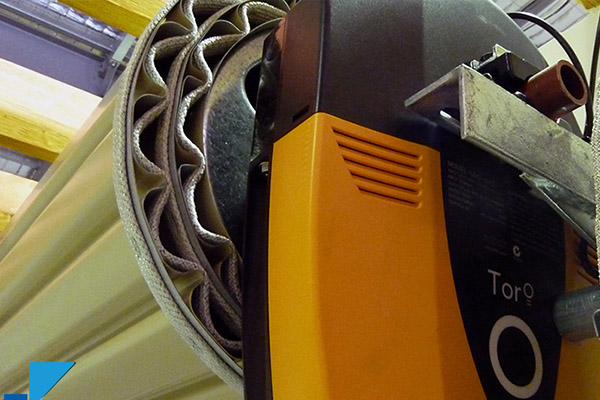
Tilt doors are a popular choice for many residential and commercial properties due to their space-saving operation and classic appearance. Maintaining these doors requires an understanding of the various components that keep them functioning smoothly and safely. This article serves as a comprehensive guide to the essential tilt door parts, how they interact, common signs of wear, and best practices for upkeep, making it an invaluable resource for anyone responsible for tilt door maintenance in the Geelong area.
Core Components of a Tilt Door System
1. Door Panels
The visible face of the door, typically constructed from timber, steel, or aluminum, provides both aesthetic appeal and structural strength. Panels are secured to the door frame via hinges and must remain free from warping or corrosion.
2. Hinges and Pivot Points
Hinges allow the door to swing outward and upward. High-quality pivot points ensure smooth motion and reduce stress on the door frame. Over-time, grease can dry out, leading to squeaking or binding.
3. Springs and Counterweights
These components balance the door’s weight, making it easier to open and close. Torsion springs are common in residential setups, while counterweight systems are often used in larger commercial doors.
4. Lifts and Cams
Lifts (or rollers) guide the door along its track, while cams control the door’s angle during operation. Proper alignment is crucial to prevent uneven wear.
5. Sealant Strips and Weatherstripping
These flexible strips protect the interior from drafts, moisture, and dust. Deteriorated seals can lead to energy loss and water ingress.
Identifying Common Issues
- Squeaking or Grinding Noise: Usually indicates insufficient lubrication on hinges or worn cam surfaces.
- Difficulty Opening: May be caused by weakened springs, misaligned lifts, or obstructed tracks.
- Uneven Gaps: Suggests frame distortion or hinge misalignment.
- Water Leakage: Often results from damaged weatherstripping or cracked panels.
- Visible Wear on Springs: Indicates the need for replacement to avoid sudden failure.
For a deeper dive into troubleshooting techniques, Read more about this topic.
Maintenance Best Practices
Regular Inspection Schedule
Establish a quarterly inspection routine that includes:
- Checking hinge bolts for tightness.
- Inspecting springs for signs of fatigue.
- Testing the smoothness of lifts and cams.
- Examining sealant strips for cracks or brittleness.
Lubrication Guidelines
Use a high-quality silicone or lithium-based grease on moving parts. Avoid petroleum-based products, which can attract dust and degrade rubber components.
Cleaning and Corrosion Prevention
Wipe down metal surfaces with a mild detergent and dry thoroughly. Apply a protective coating to steel components in coastal environments to combat rust.
For step-by-step maintenance instructions, Learn more in this detailed guide.
When to Replace Parts
While regular maintenance extends the life of a tilt door, certain components have a finite service life. Replacement should be considered when:
- Spring tension has noticeably reduced.
- Hinge pins show signs of cracking or excessive wear.
- Weatherstripping no longer forms a tight seal.
- Door panels exhibit rot, deep dents, or rust that cannot be repaired.
Choosing the correct replacement part is essential for safety and performance. Detailed specifications for each component can be found on reputable supplier sites; Explore further insights here.
Safety Considerations
- Lockout/Tagout: Always disengage the door’s power source before working on springs or hinges.
- Weight Handling: Use proper lifting equipment when removing or installing panels to avoid injury.
- Professional Assistance: Complex spring adjustments should be performed by trained technicians.
For comprehensive safety guidelines related to tilt door maintenance, Find additional information here.
Choosing Quality Replacement Parts
When sourcing new components, consider the following criteria:
- Material Compatibility: Match the original material (e.g., stainless steel for coastal areas).
- Manufacturer Standards: Look for parts that meet Australian standards for load rating and durability.
- Warranty Coverage: Prefer items that include a reasonable warranty period.
Understanding these factors helps ensure long-term reliability and reduces the likelihood of premature failures.
Conclusion
Maintaining tilt doors involves a systematic approach to inspecting, lubricating, and, when necessary, replacing key components such as hinges, springs, lifts, and weatherstripping. By adhering to a regular maintenance schedule, recognizing early signs of wear, and selecting quality replacement parts, property owners in Geelong can preserve the functionality, safety, and aesthetic appeal of their tilt doors for many years. For additional resources and expert advice, Explore further insights here.