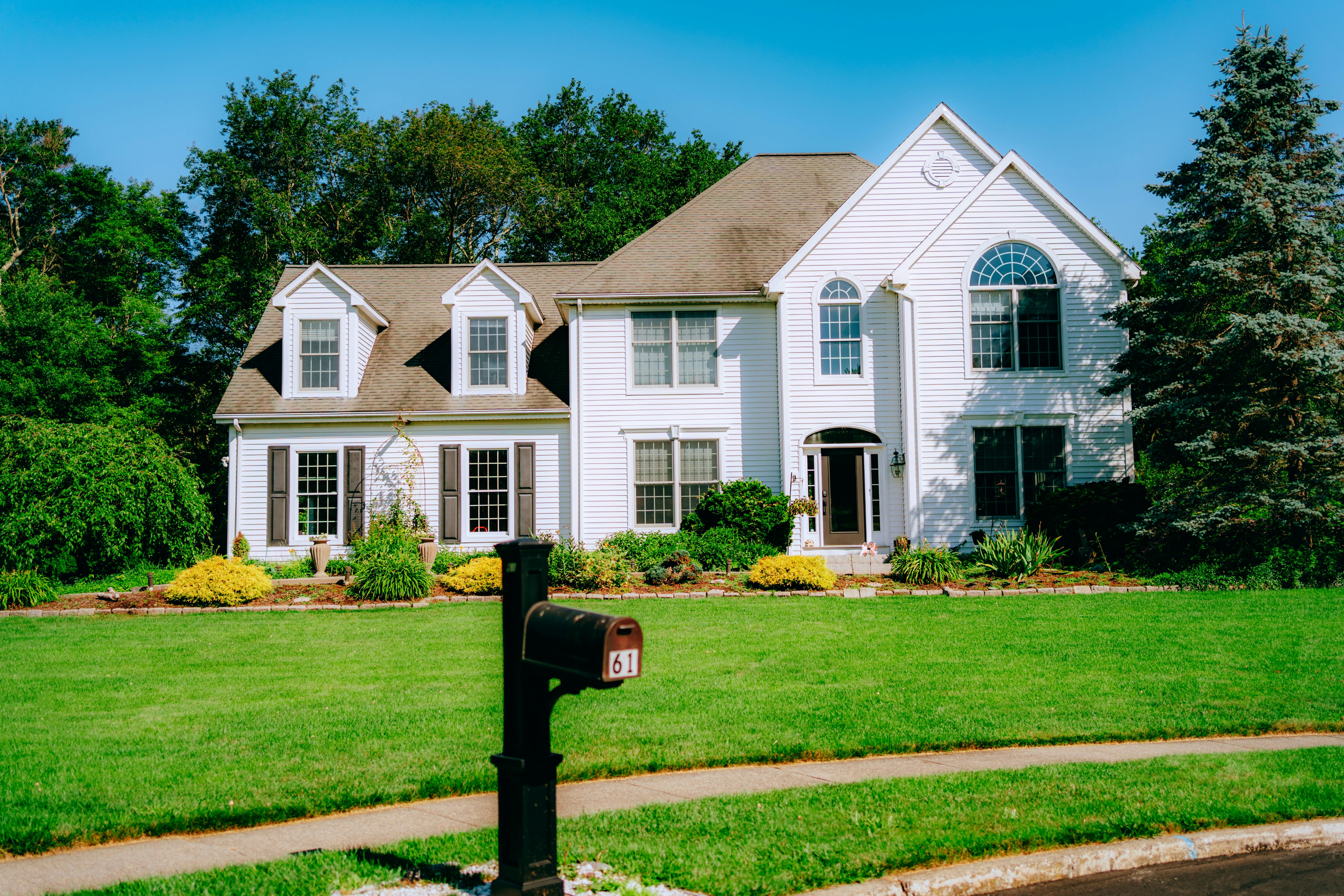
Hard landscaping transforms outdoor spaces into functional, durable, and aesthetically pleasing environments. From patios and pathways to retaining walls and driveways, expertly designed hardscape elements create a solid foundation that enhances both the visual appeal and the long-term performance of a property. By integrating quality materials, precise workmanship, and thoughtful design, local specialists deliver solutions that stand up to weather, traffic, and time, while adding value and enjoyment for homeowners and businesses alike.
Core Hard Landscaping Services
Patios and Outdoor Living Areas
Patios serve as the centerpiece of outdoor entertainment, offering a seamless transition from indoor comfort to open-air relaxation. A well-executed patio combines durability with design flexibility, allowing for a range of finishes such as natural stone, concrete pavers, or decorative tiles.
- Material selection tailored to climate and usage patterns.
- Precision base preparation to prevent settlement.
- Integrated drainage solutions for water management.
- Custom edging and coping for a polished look.
For a deeper dive into patio planning, Discover expert strategies here.
Driveways and Access Roads
Driveways must balance strength, safety, and visual harmony with the surrounding landscape. Modern driveways often incorporate permeable paving systems, decorative aggregates, and subtle lighting to enhance both function and curb appeal.
- Load-bearing calculations to meet vehicle weight requirements.
- Surface treatments that resist cracking and oil stains.
- Design options that complement architectural style.
- Maintenance-friendly finishes that reduce long-term costs.
To explore material options and layout ideas, Learn about our tailored solutions.
Retaining Walls and Terracing
Retaining walls provide structural support for sloped sites while creating usable flat areas for gardens, seating, or planting beds. Proper engineering ensures stability, while aesthetic detailing adds a decorative element to the landscape.
- Geotechnical assessment for optimal wall height and backfill.
- Selection of block, natural stone, or concrete gabion systems.
- Finishing touches such as coping stones or integrated lighting.
we>Incorporation of weep holes and drainage layers.
Further information on wall design principles can be found by Explore advanced guides and tips.
Design Considerations for Long-Term Success
Material Durability and Sustainability
Choosing materials that withstand local weather conditions is essential. Sustainable options, such as recycled aggregates or locally sourced stone, reduce environmental impact while delivering comparable performance.
- UV-resistant concrete mixes for sunny climates.
- Freeze-thaw resistant pavers for temperate zones.
- Recycled rubber or crushed glass as decorative infill.
- Low-maintenance surfaces that limit chemical cleaning.
Drainage and Water Management
Effective drainage prevents water pooling, erosion, and structural damage. Integrating permeable pavers, French drains, and graded sub-bases ensures water is directed away from hardscape elements and foundations.
- Permeable paving systems that allow groundwater recharge.
- Sub-surface drainage networks concealed beneath surfaces.
- Strategic slope design for natural runoff.
- Regular inspection points for maintenance access.
Safety and Accessibility
Compliance with local building codes and accessibility standards guarantees that hardscape installations are safe for all users. Slip-resistant textures, tactile indicators, and appropriate ramp gradients are key considerations.
- Non-slip surface finishes for wet conditions.
- Handrail integration on steps and ramps.
- Contrast markings for visually impaired individuals.
- Width and gradient specifications meeting accessibility guidelines.
Project Management and Execution
Site Assessment and Planning
A thorough site analysis identifies soil composition, existing utilities, and topographical challenges. Detailed plans and 3-D visualizations help clients understand the final outcome before construction begins.
- Geotechnical testing for load-bearing capacity.
- Utility mapping to avoid underground conflicts.
- Conceptual sketches and digital renderings.
- Cost estimation and phased scheduling.
Construction Phase Best Practices
During construction, strict adherence to quality control measures ensures that each layer, sub-base, bedding, and surface, meets design specifications. Continuous communication with the client keeps the project on track.
- Compaction testing for each substrate layer.
- Joint alignment checks for uniform appearance.
- Weather monitoring to prevent premature setting.
- Post-installation inspections and punch-list resolution.
Maintenance Guidance
Even the most robust hardscape benefits from regular upkeep. Providing owners with a maintenance schedule helps preserve appearance and structural integrity.
- Annual cleaning of surface debris and moss.
- Joint re-sanding or sealing as needed.
- Inspection of drainage components for blockages.
- Prompt repair of cracks or shifting stones.
For a comprehensive overview of maintenance recommendations, Find out more about this approach.
Why Choose Local Expertise?
Local specialists possess an intimate understanding of regional climate, soil conditions, and regulatory requirements. This knowledge translates into designs that are both aesthetically aligned with community character and engineered for durability. By leveraging locally sourced materials and a network of trusted suppliers, projects achieve cost efficiency without compromising quality.
When selecting a partner for hard landscaping, consider the depth of experience, portfolio of completed works, and commitment to sustainable practices. The right expertise ensures that every element, from the first excavation to the final stone cap, contributes to a cohesive, lasting outdoor environment.