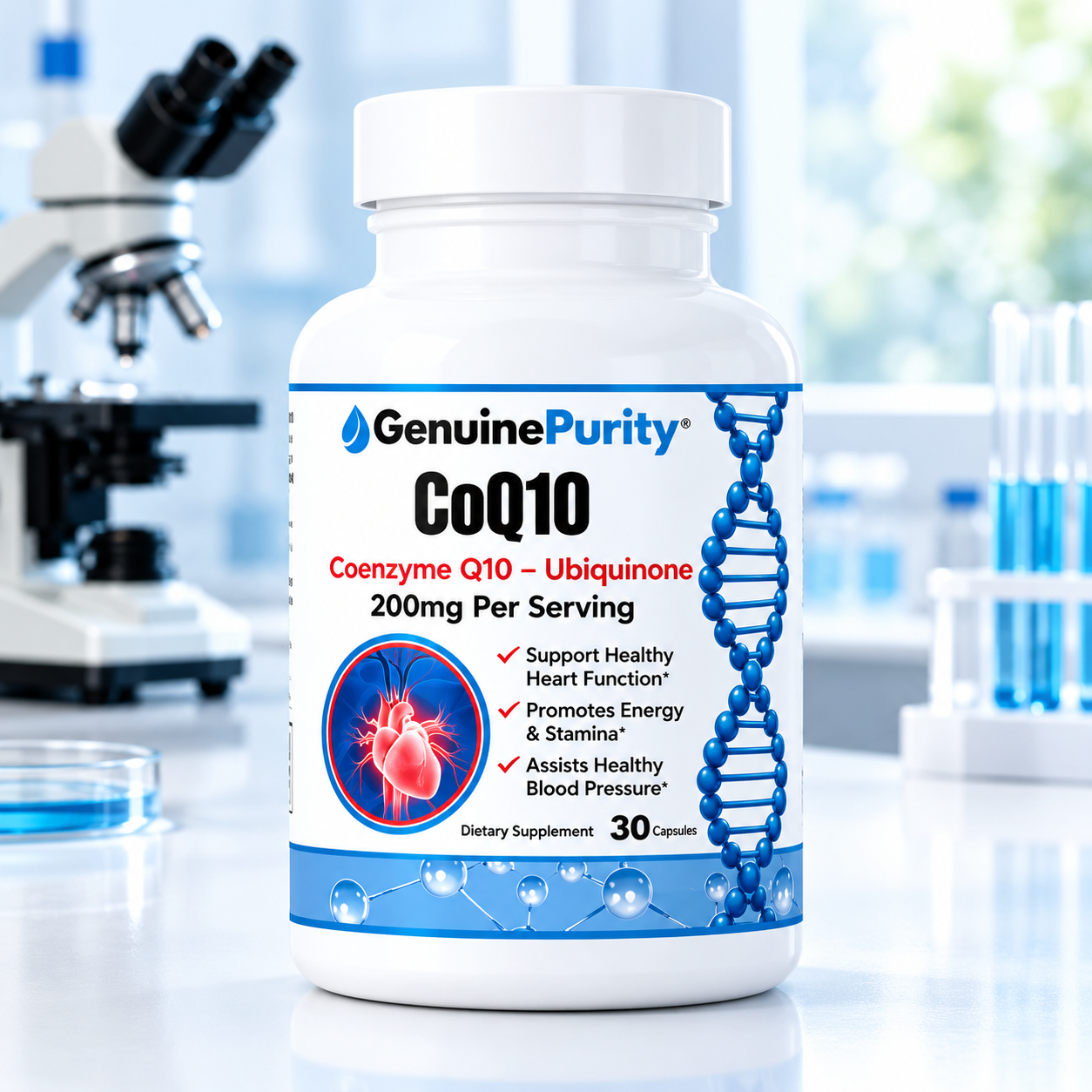
Maintaining a strong cardiovascular system is essential for anyone who engages in regular physical activity. While exercise, balanced nutrition, and adequate rest form the foundation of heart health, targeted supplements can fill nutritional gaps, enhance recovery, and support overall performance. This article explores how heart-focused supplements complement daily fitness routines, the science behind key ingredients, and practical ways to integrate them safely into a wellness plan.
Why Heart-Health Supplements Matter for Active Lifestyles
Physical activity places a significant demand on the cardiovascular system. During a workout, the heart pumps more blood to deliver oxygen and nutrients to working muscles. Over time, consistent training strengthens the heart muscle, improves vascular elasticity, and enhances lipid profiles. However, modern diets often lack sufficient levels of omega-3 fatty acids, antioxidants, and specific micronutrients that are critical for optimal cardiac function. Supplements designed for heart health can:
- Support healthy cholesterol levels, helping to maintain clear arteries.
- Provide antioxidant protection against oxidative stress generated by intense training.
- Promote endothelial function, which improves blood flow and nutrient delivery.
- Assist in regulating blood pressure, reducing strain on the heart during exertion.
For those seeking evidence-based guidance, Discover expert strategies here and find formulations that align with current research.
Key Nutrients Backed by Research
Omega-3 Fatty Acids (EPA & DHA)
Found primarily in fish oil, EPA and DHA have been shown to lower triglycerides, reduce inflammation, and improve arterial flexibility. Regular intake can lead to a modest reduction in resting heart rate, a marker of cardiovascular efficiency.
Coenzyme Q10 (CoQ10)
CoQ10 plays a vital role in cellular energy production, especially within cardiac muscle cells. Supplementation may enhance exercise tolerance and aid recovery by mitigating oxidative damage.
Magnesium
Magnesium supports muscle relaxation, nerve transmission, and blood pressure regulation. Deficiencies are linked to arrhythmias and reduced exercise performance.
Plant-Based Antioxidants (Resveratrol, Curcumin, Green Tea Extract)
These compounds combat free radicals generated during high-intensity workouts, protecting endothelial cells and supporting vascular health.
For a curated selection of these ingredients, Learn about our tailored solutions that combine science-backed doses in convenient formats.
Integrating Supplements into a Daily Fitness Regimen
- Timing: Take omega-3s with meals that contain healthy fats to enhance absorption. CoQ10 is best consumed with a fat-containing snack or breakfast.
- Dosage consistency: Daily intake yields the most reliable results. Missing doses can disrupt the steady supply of nutrients needed for cardiac repair.
- Stacking wisely: Pair magnesium with a calcium-rich meal to support balanced mineral ratios, and avoid high-dose vitamin C immediately before iron-containing supplements.
- Hydration: Adequate water intake helps kidneys process supplemental minerals efficiently.
When selecting products, consider third-party testing and transparent labeling. A reliable source often provides detailed batch analysis and clear ingredient lists. Explore advanced guides and tips on evaluating supplement quality.
Safety Considerations and Potential Interactions
Even natural compounds can interact with medications or medical conditions. Athletes on blood thinners should consult a healthcare professional before adding high-dose omega-3s, as they possess mild anticoagulant properties. Likewise, excessive magnesium may cause gastrointestinal upset.
Key safety steps include:
- Consulting a physician or registered dietitian before beginning any new supplement.
- Starting with the lowest effective dose and monitoring how the body responds.
- Checking for allergens, especially in fish-oil or plant-based extracts.
- Keeping a supplement journal to track dosage, timing, and any side effects.
Measuring the Impact on Fitness Performance
Objective tracking helps determine whether a supplement regimen is delivering benefits. Consider the following metrics:
- Resting heart rate trends over weeks.
- Blood pressure readings before and after sustained training cycles.
- Blood lipid panels (LDL, HDL, triglycerides) performed quarterly.
- Perceived exertion scores during similar workouts.
Improvements in these areas often correlate with enhanced endurance, quicker recovery, and reduced injury risk. For deeper insight, Find out more about this approach and explore case studies that illustrate real-world outcomes.
Conclusion
Heart-health supplements serve as a strategic complement to regular exercise, offering targeted nutrients that support vascular function, lipid balance, and oxidative resilience. By selecting scientifically validated ingredients, timing intake appropriately, and monitoring personal health markers, fitness enthusiasts can optimize cardiovascular performance and sustain long-term wellbeing. Integrating these supplements responsibly, guided by professional advice and quality products, creates a solid foundation for achieving fitness goals while safeguarding the heart.