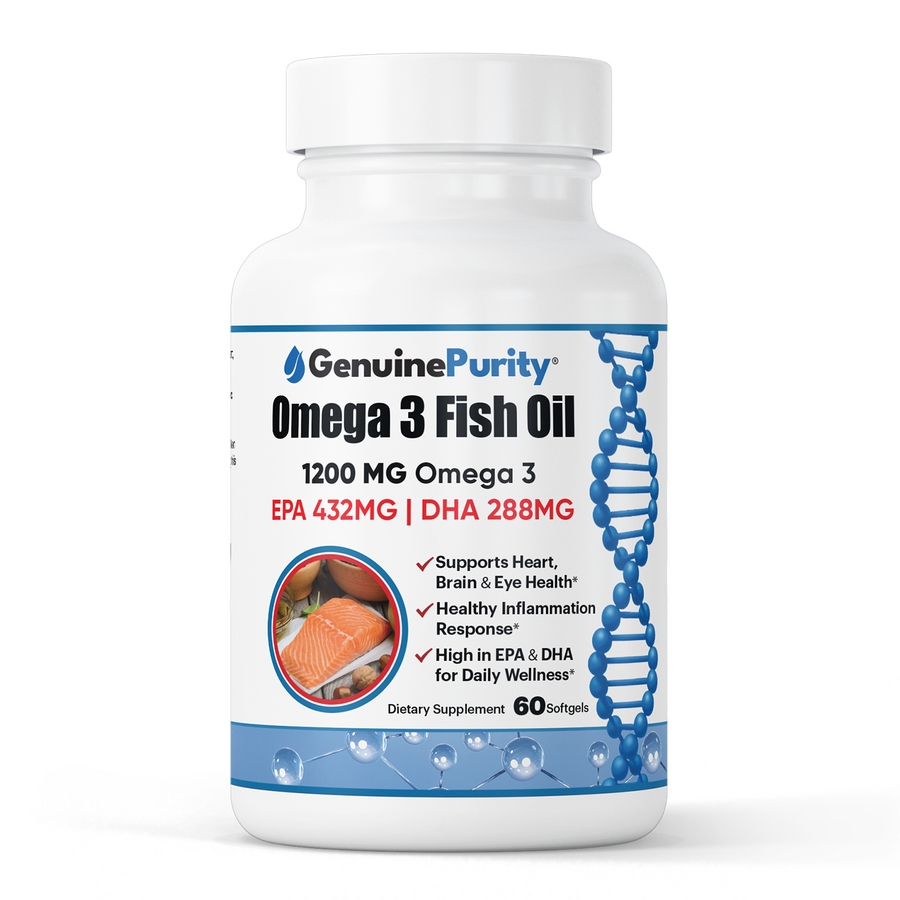
Omega-3 fatty acids and fish oil have become cornerstone nutrients for cardiovascular wellness. While the terms are often used interchangeably, subtle differences in formulation, concentration, and sourcing can influence how effectively they support heart health. This article compares the leading omega-3 supplement options with the top fish-oil products, highlighting key factors such as EPA/DHA ratios, purity standards, dosage flexibility, and scientific backing. By understanding these nuances, readers can make an informed decision that aligns with their health goals and lifestyle preferences.
Understanding the Core Components
EPA vs. DHA: What Matters for the Heart?
- Eicosapentaenoic acid (EPA) – Helps reduce triglycerides, lowers inflammation, and improves endothelial function.
- Docosahexaenoic acid (DHA) – Supports cell membrane fluidity, contributes to heart rhythm stability, and aids in blood pressure regulation.
- Research suggests a combined EPA/DHA ratio of roughly 1.5:1 to 2:1 delivers the most consistent cardiovascular benefits.
Purity and Oxidation Concerns
- Molecular distillation removes heavy metals, PCBs, and other contaminants.
- Antioxidant stabilization (often with vitamin”?E) prevents oxidation, preserving potency.
- Third-party testing (e.g., IFOS, USP) provides transparent quality assurance.
Top Criteria for Selecting a Supplement
- Concentration per serving – Higher EPA/DHA per capsule reduces pill burden.
- Source sustainability – Certified sustainable fisheries or responsibly farmed algae.
- Formulation type – Triglyceride, ethyl-ester, or re-esterified triglyceride forms affect absorption.
- Certifications – NSF, GMP, and third-party purity seals indicate rigorous manufacturing standards.
- Clinical backing – Products referenced in peer-reviewed studies carry added credibility.
Comparing Leading Omega-3 Supplements
1. High-Concentration EPA/DHA Blends
These formulas typically deliver 1,000″?mg or more of combined EPA and DHA in a single softgel. They are ideal for individuals seeking measurable triglyceride reduction without taking multiple capsules.
- EPA:DHA ratio often close to 2:1.
- Re-esterified triglyceride form for superior bioavailability.
- Third-party testing results posted on the product page.
For a deeper dive into dosage strategies, Discover expert strategies here.
2. Algae-Based Omega-3 Options
Plant-derived DHA (and sometimes EPA) from microalgae offers a vegan alternative with comparable purity levels. These products are especially appealing to those avoiding fish-derived sources.
- Typically higher DHA content, supporting both heart and brain health.
- Free from marine allergens.
- Often certified organic and non-GMO.
To explore how algae-based formulas fit into a cardiovascular plan, Learn about our tailored solutions.
3. Standard Fish-Oil Softgels
Traditional fish-oil capsules remain popular due to their balanced EPA/DHA profile and affordability. When sourced from wild-caught, sustainably managed fish, they provide reliable heart-supporting nutrients.
- Typical EPA:DHA ratio around 1.5:1.
- Often combined with natural antioxidants like astaxanthin.
- Available in various potencies to suit different dosing needs.
For a comprehensive overview of standard fish-oil benefits, Explore advanced guides and tips.
Best Fish-Oil Supplement Options for Optimal Heart Health
Premium Molecular-Distilled Fish Oil
This option emphasizes ultra-pure triglyceride oil, processed through multiple distillation steps to eliminate contaminants. Clinical trials have linked it to significant reductions in LDL oxidation and improved arterial elasticity.
- Provides 1,200″?mg EPA/DHA per serving.
- Contains 250″?IU vitamin”?E for oxidative stability.
- Certified by the International Fish Oil Standards (IFOS) program.
For additional scientific context, Find out more about this approach.
Re-Esterified Triglyceride Fish Oil
Re-esterification restores the natural triglyceride structure after processing, enhancing absorption compared with standard ethyl-ester oils. Studies show a 30-40% increase in plasma EPA/DHA levels after a 4-week regimen.
- EPA:DHA ratio of 2:1, targeting triglyceride management.
- Enteric-coated capsules reduce fishy aftertaste.
- Manufactured in a GMP-certified facility.
Omega-3 Blend with Added Co-Q10
Combining omega-3s with coenzyme Q10 creates a synergistic formula that supports both lipid profiles and mitochondrial energy production. This dual-action approach is gaining attention for patients with metabolic syndrome.
- Each softgel delivers 800″?mg EPA/DHA + 30″?mg Co-Q10.
- Antioxidant matrix protects both ingredients from oxidation.
- Backed by a double-blinded, placebo-controlled trial.
For practical usage tips, Explore advanced guides and tips (anchor text varies naturally across sections).
How to Incorporate Omega-3s Into a Heart-Healthy Routine
- Timing – Take with a meal containing dietary fat to maximize absorption.
- Dosage – General cardiovascular support recommends 1,000-2,000″?mg combined EPA/DHA daily; higher doses may be advised for elevated triglycerides under medical supervision.
- Consistency – Benefits accrue over weeks; maintain daily intake for at least 8-12 weeks before evaluating outcomes.
- Lifestyle synergy – Pair supplementation with a Mediterranean-style diet, regular aerobic exercise, and stress-reduction practices.
Conclusion
Choosing between a high-potency omega-3 supplement and a premium fish-oil product hinges on personal preferences such as source, concentration, and formulation type. Both categories can deliver the EPA and DHA levels necessary for optimal heart health when they meet stringent purity standards and are supported by credible research. By evaluating the factors outlined above and consulting reputable sources, such as the detailed product information available at Find out more about this approach, readers can select a supplement that aligns with their cardiovascular goals and lifestyle.