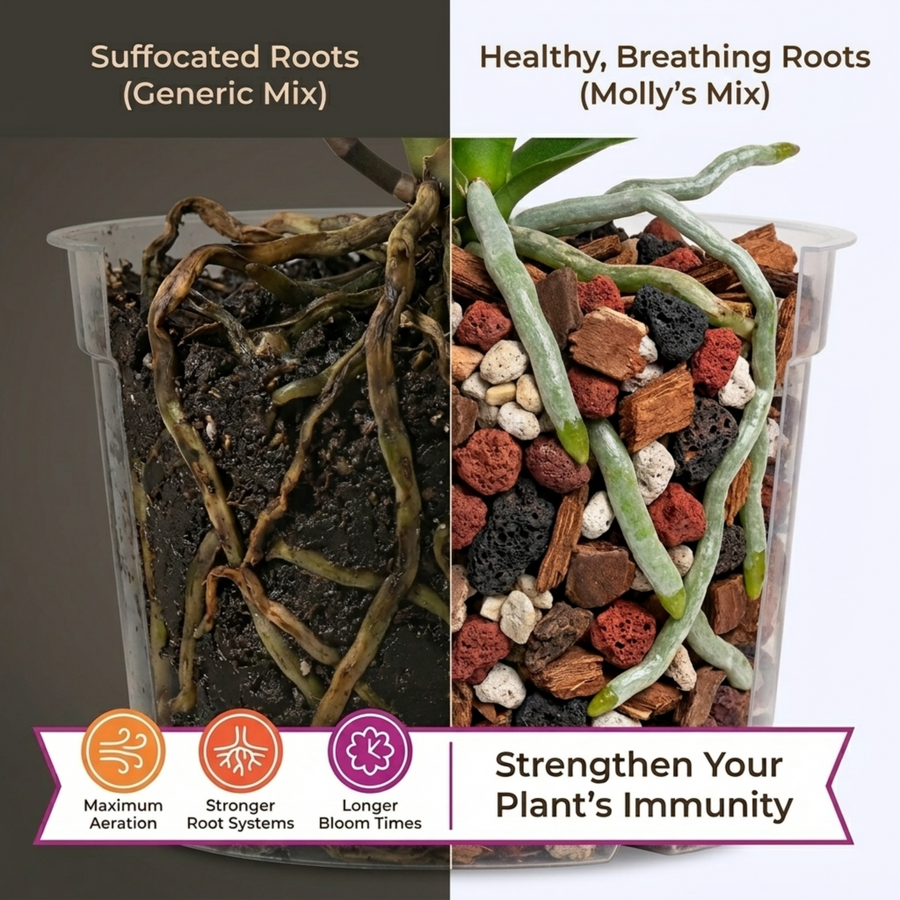
Orchids, with their exotic beauty and diverse varieties, captivate plant enthusiasts worldwide. However, cultivating these elegant plants requires a specific understanding of their needs, particularly when it comes to potting soil. Choosing the right orchid potting soil is crucial to ensure the healthy growth and flowering of orchids. This article delves into essential tips for selecting and maintaining the ideal potting medium, ensuring vibrant and thriving orchids.
Understanding Orchid Potting Soil
Orchids are epiphytic plants, which means they naturally grow on other surfaces rather than in traditional soil. This unique growth habit necessitates a specialized orchid potting mix that mimics their natural environment. Key characteristics of quality orchid potting soil include:
- Well-aerated structure to allow root breathability.
- Excellent drainage to prevent waterlogging.
- Ability to retain some moisture without becoming compact.
- Low in organic matter to avoid decay and rot.
Components of a Good Orchid Mix
A well-formulated orchid pot mixture typically includes various components to achieve the desired balance. Essential ingredients include:
- Bark: Often made from fir or pine, bark provides structure and aeration.
- Sphagnum Moss: Holds moisture while maintaining aeration, suitable for water-loving orchids.
- Perlite: A volcanic glass that enhances drainage and prevents compaction.
- Charcoal: Helps with moisture retention and removes toxins.
Choosing the Right Mix for Your Orchid
Not all orchids are created equal; hence, selecting the appropriate orchid soil depends on the specific type of orchid. Consider the following:
- Phalaenopsis: Prefers a mix including bark and sphagnum moss.
- Cattleya: Benefits from a coarser mix with more bark and perlite.
- Dendrobium: Thrives in a mix similar to Cattleya, emphasizing drainage.
Repotting Tips for Healthy Orchids
Repotting is a crucial aspect of orchid care, ensuring the roots have sufficient room to grow. Consider the following tips:
- Timing: Repot during the active growth phase, usually after flowering.
- Preparation: Soak the orchid plant potting mix before use to ensure moisture absorption.
- Root Care: Trim dead or damaged roots before repotting.
- Pot Selection: Choose a pot that allows for drainage and air circulation.
Maintaining Your Orchid’s Potting Soil
Keeping the orchid potting soil in optimal condition is vital for the plant?s health. Follow these maintenance tips:
- Watering: Water orchids based on their specific needs, ensuring the potting mix dries slightly between waterings.
- Fertilization: Use a balanced orchid fertilizer during the growing season.
- Monitoring: Regularly check for signs of decay or pests in the potting mix.
In conclusion, understanding and implementing the right orchid potting soil practices is fundamental to nurturing healthy orchids. By selecting the correct mix, repotting appropriately, and maintaining the conditions, orchid enthusiasts can enjoy the stunning beauty of these plants in their full glory.