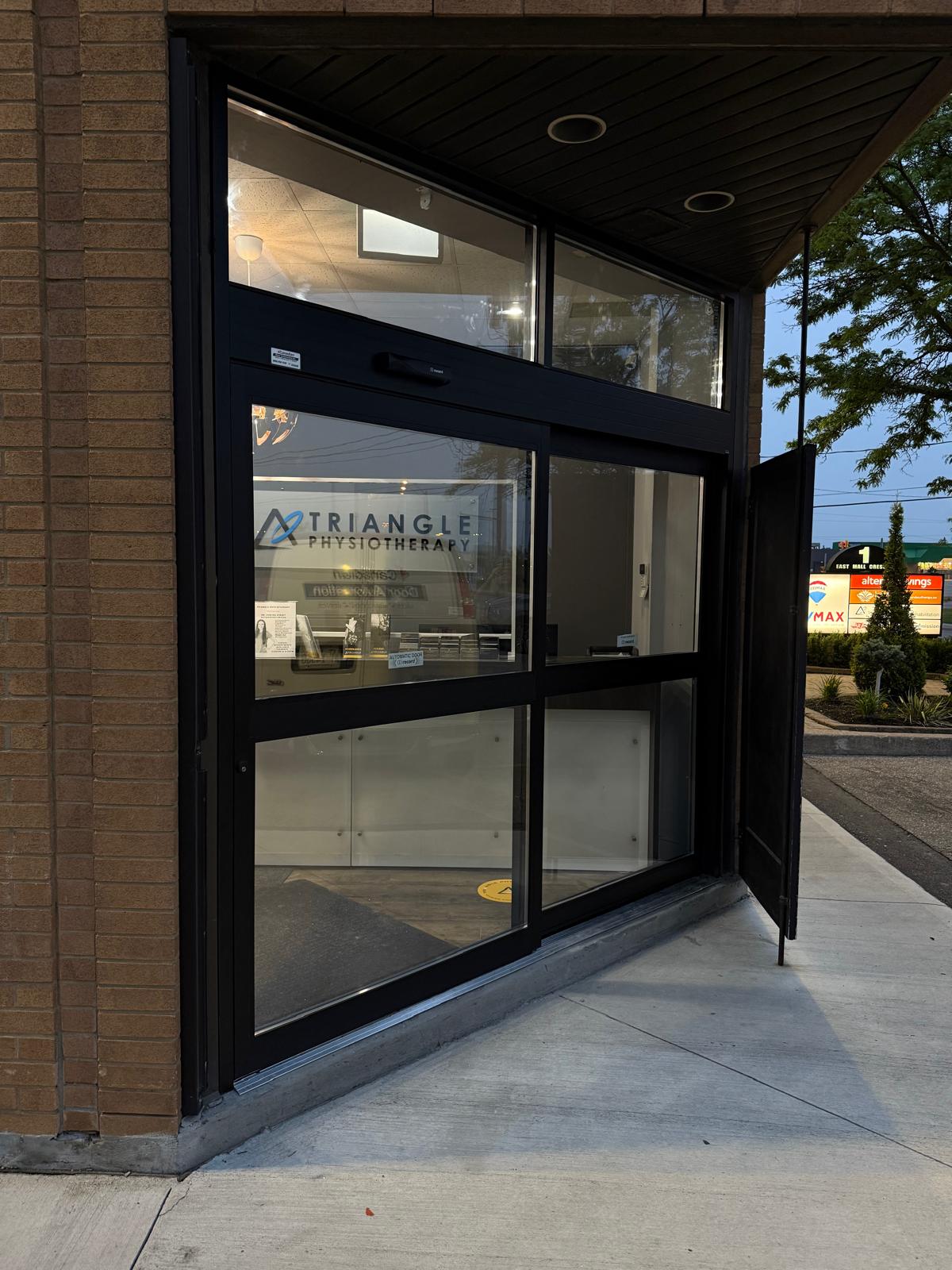
Automatic doors are a staple in modern infrastructure, providing convenience, accessibility, and a touch of technological advancement. However, like all machinery, they can sometimes malfunction or require minor repairs. Understanding common issues and their quick fixes can save time and reduce downtime. This guide offers insights into frequent automatic door problems and how to address them efficiently.
Identifying Common Automatic Door Issues
1. Door Fails to Open or Close
One of the most frequent issues with automatic doors is their failure to open or close properly. This malfunction can stem from several causes:
- Power Supply Issues: Ensure the door is receiving power. Check the circuit breaker or power source for any faults.
- Sensor Obstruction: Dirt or debris can obstruct sensors. Clean the sensors and ensure they are not blocked.
- Settings Misconfiguration: Verify the door settings are correct. Consult the manufacturer’s manual for guidance.
For more comprehensive strategies, discover expert strategies here.
2. Noisy Operation
A noisy automatic door can be disruptive and signal underlying issues. Common causes include:
- Lack of Lubrication: Bearings and gears may need lubrication. Use a suitable lubricant recommended by the manufacturer.
- Loose Components: Inspect for any loose screws or components and tighten them as necessary.
- Worn Out Parts: Identify any worn-out parts and replace them promptly.
To understand more about tailored solutions, learn about our tailored solutions.
Advanced Troubleshooting Techniques
3. Door Stuck Halfway
When a door gets stuck halfway, it poses a significant inconvenience and potential safety hazard. Consider the following checks:
- Track Obstruction: Ensure the tracks are free from obstructions and debris.
- Alignment Issues: Check if the door is properly aligned and adjust as necessary.
- Sensor Malfunction: Inspect sensors for functionality and recalibrate if needed.
For advanced guides and tips, explore advanced guides and tips.
4. Delayed Response Time
If the door takes too long to respond to sensors, it might be due to:
- Sensor Sensitivity Settings: Adjust the sensitivity of the door sensors according to the environment’s needs.
- Control Box Issues: Inspect the control box for any faults or misconfigurations.
- Environmental Interference: Ensure that environmental factors like wind or heat are not affecting sensor performance.
Find out more about this approach here.
Maintaining Optimal Performance
Regular maintenance is key to ensuring the longevity and reliability of automatic doors. Implementing a routine maintenance schedule can prevent most issues from arising. Key maintenance actions include:
- Regular Cleaning: Keep sensors and door tracks clean to prevent obstruction.
- System Checks: Periodically check the door’s systems and components for signs of wear.
- Professional Inspections: Schedule regular professional inspections to catch potential issues early.
Automatic doors are complex systems that require careful consideration and occasional troubleshooting. By understanding the common issues and their fixes, users can maintain seamless functionality and prolong the life of their doors. For a deeper dive into professional repair services and solutions, consider visiting this resource.