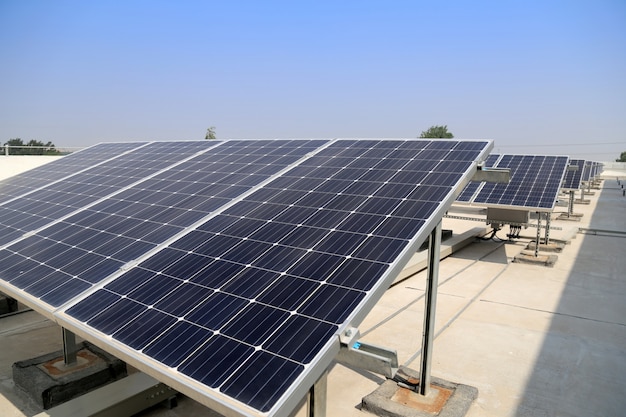
Solar panels are a long-term investment that delivers clean energy, but like any technology, they require regular attention to stay efficient and safe. Proper repair and maintenance protect performance, extend lifespan, and minimize unexpected downtime. Whether a residential rooftop or a large commercial array, understanding the essential steps for upkeep can save money and ensure consistent power generation.
Why Regular Maintenance Matters
Neglecting routine checks can lead to reduced output, hidden damage, and costly repairs. The following points illustrate the key benefits of a disciplined maintenance schedule:
- Maintains optimal energy conversion rates.
- Detects and resolves micro-cracks before they spread.
- Prevents moisture intrusion and corrosion.
- Ensures compliance with warranty requirements.
- Extends the overall lifespan of the system.
Core Components of a Maintenance Program
Visual Inspection
A thorough visual assessment should be the first step each season. Look for shading, debris, or physical damage. Discover expert strategies here.
Electrical Testing
Testing includes checking voltage, current, and resistance to verify that each module operates within specifications. Use a multimeter or infrared thermography to spot hot spots that indicate failing cells.
Cleaning Procedures
Dust, pollen, and bird droppings can significantly lower efficiency. Cleaning guidelines vary by location, but generally:
- Use soft, non-abrasive brushes or a low-pressure hose.
- Avoid harsh chemicals that could damage the anti-reflective coating.
- Schedule cleaning after rain when possible to reduce water usage.
Common Repair Scenarios
Even with diligent care, occasional issues arise. Recognizing the signs early can prevent larger failures.
- Cracked or shattered glass: Replace the affected panel to avoid water ingress.
- Loose connections: Tighten or replace connectors to restore proper current flow.
- Inverter faults: Diagnose error codes and replace faulty components as needed.
For a deeper dive into troubleshooting techniques, Learn about our tailored solutions.
Choosing a Reliable Service Provider
Professional technicians bring specialized tools, safety training, and industry certifications. When evaluating a service partner, consider the following criteria:
- Certified installers and electricians.
- Transparent pricing and detailed work orders.
- Positive client testimonials and case studies.
- Availability for emergency repairs.
Best Practices for Ongoing Performance
Implementing a proactive approach ensures that solar installations continue to deliver peak output.
- Schedule semi-annual inspections, ideally after winter and summer peaks.
- Maintain a log of performance data to identify trends.
- Update firmware on inverters and monitoring systems regularly.
- Stay informed about local regulations and incentive programs.
Additional resources and step-by-step guides are available to help owners stay ahead of potential issues. Explore advanced guides and tips.
Conclusion
Effective solar panel repair and maintenance combine routine visual checks, precise electrical testing, and careful cleaning. By partnering with knowledgeable professionals and following a structured upkeep plan, system owners can safeguard their investment, maximize energy production, and contribute to a sustainable future.