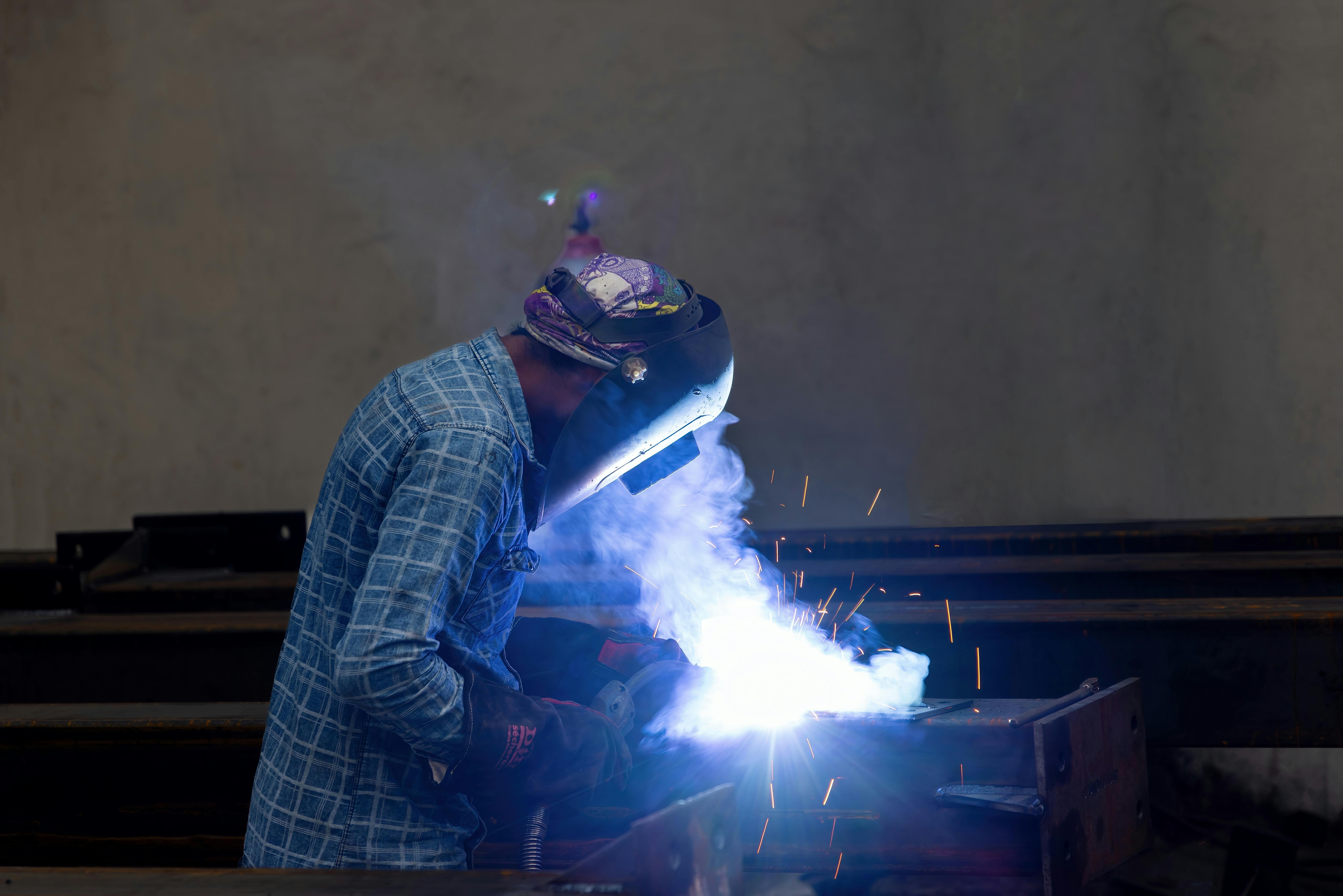
The landscape of blue-collar hiring is undergoing a significant transformation with the adoption of skilled workforce recruitment strategies. The demand for skilled workers in sectors such as manufacturing, construction, and logistics has increased, driven by technological advancements and evolving industry standards. Employers are now focusing on recruiting individuals who not only possess the necessary technical skills but also exhibit adaptability, problem-solving abilities, and a willingness to learn. This shift is not just about filling vacancies; it is about building a resilient workforce capable of meeting future challenges.
The Need for Skilled Workforce Recruitment
The traditional methods of hiring in blue-collar industries often relied on physical strength and basic manual skills. However, with the advent of automation and digital tools, there is a heightened need for workers who can operate sophisticated machinery, interpret data, and integrate digital solutions into their daily tasks. This evolution necessitates a strategic approach to recruitment, focusing on:
- Identifying critical skills that align with technological advancements.
- Attracting candidates who demonstrate both technical proficiency and soft skills.
- Implementing training programs to bridge skill gaps and ensure continuous learning.
To understand how to effectively implement these strategies, read more about this topic.
Strategies for Effective Blue Collar Hiring
Leveraging Technology in Recruitment
Technology plays a pivotal role in transforming recruitment processes. Utilizing digital platforms, recruitment agencies can efficiently reach a broader pool of candidates and streamline the hiring process. Key strategies include:
- Using data analytics to identify and target potential candidates with the right skill sets.
- Implementing AI-driven tools to filter and match candidates based on predefined criteria.
- Conducting virtual interviews and assessments to expedite the selection process.
For more on how technology can enhance recruitment, learn more in this detailed guide.
Emphasizing Soft Skills and Cultural Fit
While technical skills are paramount, employers are increasingly valuing soft skills and cultural fit. Skills such as communication, teamwork, and adaptability are crucial in dynamic work environments. Employers are advised to:
- Design interview processes that assess both technical and soft skills.
- Foster a workplace culture that encourages diversity and inclusion.
- Prioritize candidates who align with the company’s values and long-term goals.
To delve deeper into the importance of soft skills, explore further insights here.
Challenges and Solutions in Blue Collar Hiring
Recruiting a skilled workforce in blue-collar industries is not without challenges. Key challenges include a shortage of qualified candidates, competition for top talent, and the need for continuous upskilling. Solutions to these challenges involve:
- Developing partnerships with educational institutions to create tailored training programs.
- Offering attractive compensation packages and career advancement opportunities.
- Promoting a positive work environment and a strong organizational reputation.
Find additional information on overcoming these challenges here.
Conclusion
The shift towards skilled workforce recruitment in blue-collar sectors represents a crucial evolution in meeting industry demands. By focusing on both technical and soft skills, leveraging technology, and addressing recruitment challenges, employers can build a competent and resilient workforce. As industries continue to evolve, so too must their recruitment strategies, ensuring they remain competitive and capable of adapting to future changes.