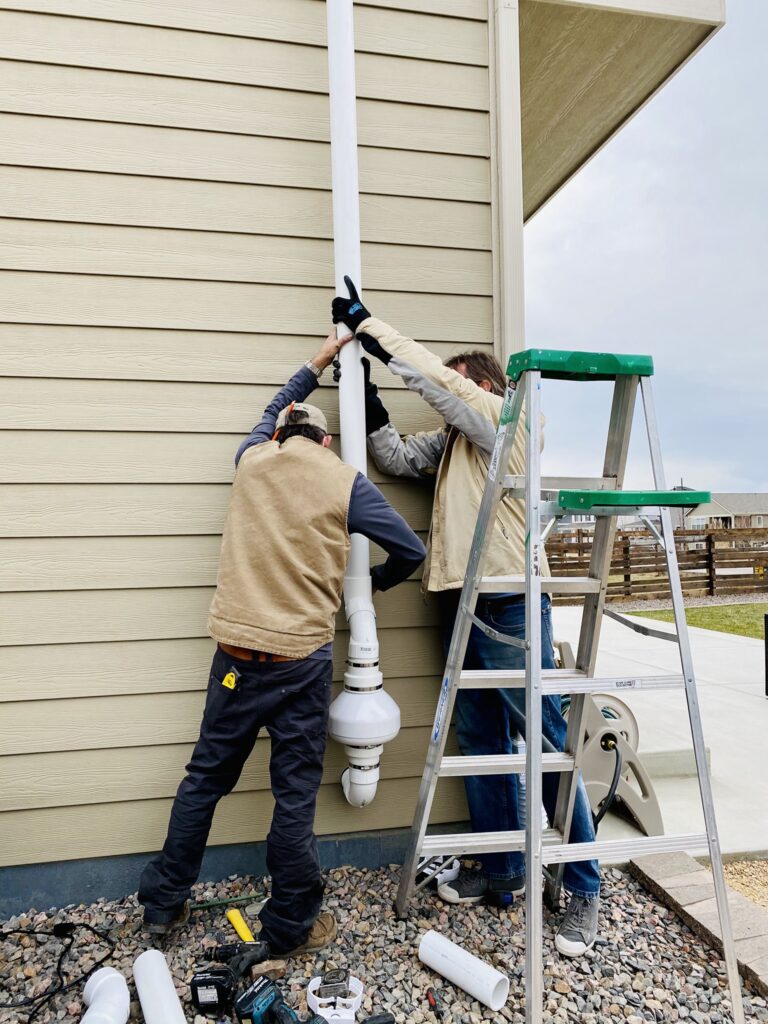
Radon is a naturally occurring radioactive gas that can pose significant health risks, especially when accumulated in enclosed spaces like homes. Denver, with its unique geological features, is particularly susceptible to elevated radon levels, making testing an essential step for homeowners. Understanding the importance of radon testing, the process involved, and the steps to mitigate its effects can help ensure a safer living environment.
Why Radon Testing is Crucial in Denver
Denver’s geographical and geological conditions contribute to the prevalence of radon gas in the region. Factors that amplify the need for radon testing include:
- High levels of uranium in the soil, which naturally decays into radon gas.
- The construction style of older homes which may not be radon-resistant.
- Local climate conditions that influence indoor radon levels.
Testing for radon is not just a precaution; it is a necessary measure to protect the health of residents. Discover expert strategies here.
How Radon Testing Works
Types of Radon Tests
There are several methods available for radon testing, each with its own advantages:
- Short-term tests: These are quick and can provide results within a few days. Ideal for initial screening.
- Long-term tests: These tests measure radon levels over a period of 3 to 12 months, offering a more comprehensive view.
- Continuous radon monitors: These provide ongoing measurements and are typically used by professionals for detailed analysis.
Each method has its place depending on the specific needs and circumstances of the homeowner. Learn about our tailored solutions here.
Interpreting Radon Test Results
Understanding the results of a radon test is crucial for determining the next steps:
- Radon levels are measured in picocuries per liter (pCi/L).
- The EPA recommends taking action if radon levels are 4 pCi/L or higher.
- Levels below 4 pCi/L still pose a risk and may require monitoring or mitigation.
Explore advanced guides and tips here for more information on how to interpret these results.
Steps to Mitigate Radon Exposure
Once radon levels have been identified, implementing mitigation strategies is crucial:
- Seal cracks and openings: Reducing radon entry points can significantly lower levels.
- Install a radon mitigation system: Systems like sub-slab depressurization effectively reduce radon levels.
- Regularly test radon levels: Continuous monitoring ensures that mitigation efforts are effective.
Find out more about this approach here.
Understanding and addressing radon exposure is a critical component of home health and safety, especially in areas like Denver where geological conditions may increase risk. By staying informed and proactive, homeowners can ensure a safer living environment for themselves and their families.