In today’s fast-paced world, maintaining optimal health often feels like a juggling act. Between demanding work schedules, family responsibilities, and limited time for balanced meals, many people turn to dietary supplements to bridge nutritional gaps. While the market offers an overwhelming variety of products, understanding the fundamentals, what supplements are, how they work, and how to choose them wisely, can empower beginners to make informed decisions that genuinely support their wellbeing.
What Are Supplements and Why Consider Them?
Supplements are concentrated sources of nutrients, vitamins, minerals, herbs, amino acids, or other bioactive compounds, intended to augment the diet. They are not a substitute for whole foods, but they can address specific deficiencies, support particular health goals, or enhance performance during periods of increased demand (e.g., intense training, recovery from illness, or aging).
- Targeted nutrition: Fill gaps when dietary intake falls short.
- Convenient dosing: Provide a reliable amount of nutrients in a single pill or powder.
- Support for special needs: Pregnancy, senior health, athletic performance, and more.
Key Categories of Supplements for Beginners
Vitamins and Minerals
These are the building blocks of daily nutrition. Common choices include:
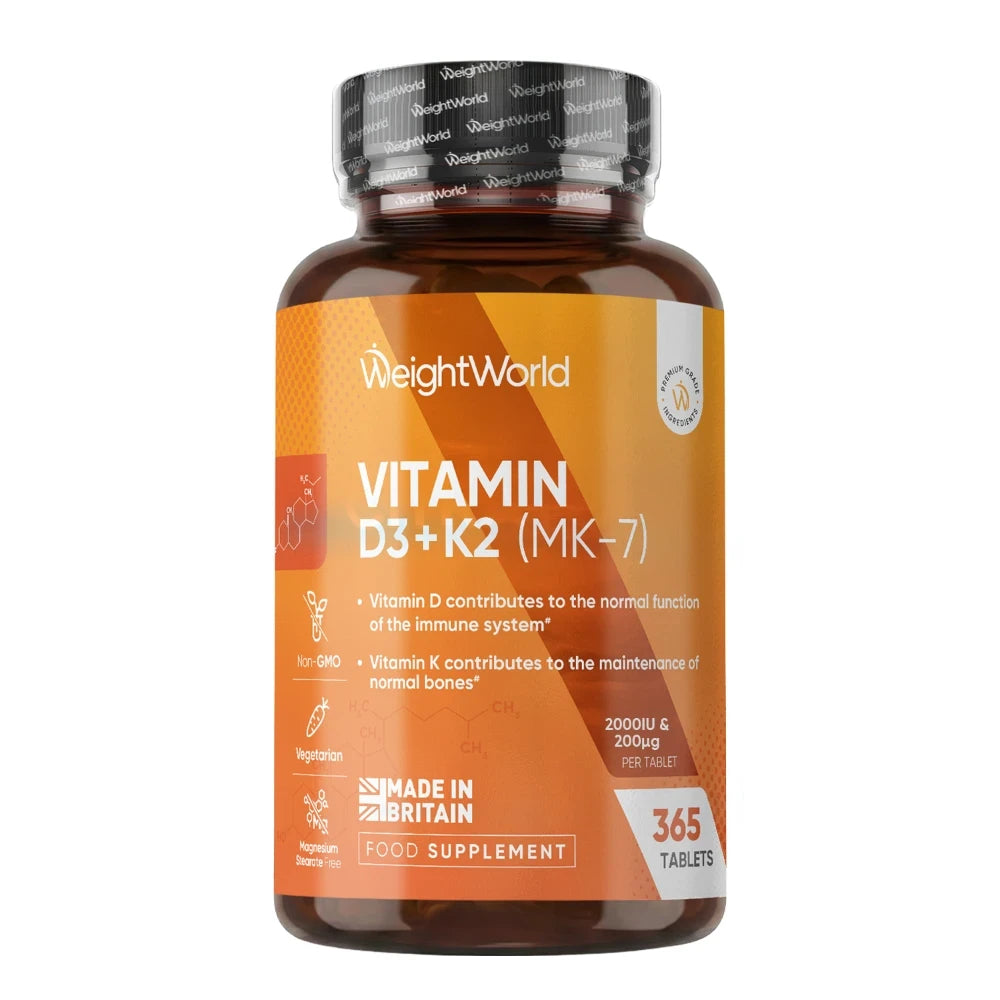
- Vitamin D: Essential for bone health and immune function, especially in regions with limited sunlight.
- Vitamin B12: Crucial for energy production; often lacking in vegetarian or vegan diets.
- Magnesium: Supports muscle relaxation, sleep quality, and cardiovascular health.
Protein and Amino Acids
Protein powders (whey, casein, plant-based) and individual amino acids such as BCAAs can help meet daily protein targets, particularly for active individuals.
Herbal and Botanical Extracts
Adaptogens like ashwagandha, turmeric (curcumin), and green tea extract are popular for their antioxidant and stress-modulating properties.
How to Choose Quality Supplements
Not all products are created equal. Selecting high-quality supplements involves evaluating several critical factors:
- Third-party testing: Look for certifications from independent labs (e.g., NSF, USP) that verify purity and potency.
- Transparent labeling: Ingredient lists should include exact amounts of active compounds and any fillers.
- Reputable source: Brands that invest in research and adhere to Good Manufacturing Practices (GMP) tend to deliver more reliable products.
- Formulation suited to your needs: Choose forms that maximize absorption (e.g., methylated B-vitamins, chelated minerals).
For a curated selection of rigorously tested options, explore reputable supplements that align with scientific standards.
Establishing a Safe Supplement Routine
Starting a supplement regimen should be a gradual, informed process. Follow these steps to ensure safety and effectiveness:
- Assess your diet: Identify nutrients you may be lacking by reviewing food logs or consulting a nutrition professional.
- Set clear goals: Whether it’s boosting immunity, enhancing recovery, or supporting joint health, define what you hope to achieve.
- Start with one product: Introduce a single supplement at a time to monitor how your body responds.
- Follow dosage instructions: More is not always better; adhere to recommended daily amounts.
- Track outcomes: Keep a simple journal noting energy levels, sleep quality, or any side effects.
Common Myths and Misconceptions
Understanding the reality behind popular beliefs helps prevent misuse:
- Myth: “All supplements are natural and therefore safe.”
Fact: Natural does not guarantee safety; dosage and interactions matter.
- Myth: “More vitamins mean better health.”
Fact: Excessive intake can lead to toxicity, especially with fat-soluble vitamins (A, D, E, K).
- Myth: “Supplements can replace a balanced diet.”
Fact: Whole foods provide fiber, phytonutrients, and synergistic compounds that supplements cannot fully replicate.
Integrating Supplements with Lifestyle Choices
Supplements work best when paired with supportive habits:
- Balanced nutrition: Prioritize whole foods, fruits, vegetables, lean proteins, and healthy fats.
- Regular physical activity: Exercise enhances nutrient utilization and overall health.
- Adequate sleep: Recovery periods are when many nutrients are most effectively processed.
- Stress management: Techniques like meditation or yoga can improve the body’s response to supplementation.
When to Seek Professional Guidance
While many beginners can safely start with basic, well-studied supplements, certain situations warrant expert input:
- Pregnancy or breastfeeding.
- Chronic medical conditions (e.g., kidney disease, heart disease).
- Use of prescription medications that may interact with supplements.
- Unexplained symptoms after starting a new product.
Consulting a registered dietitian, pharmacist, or healthcare provider ensures personalized recommendations and minimizes risk.
Conclusion: Empowered Choices for Better Health
Embarking on a supplement journey need not be daunting. By grasping the basics, what supplements are, how to evaluate quality, and how to integrate them responsibly, beginners can confidently enhance their nutritional foundation. Remember that supplements are a tool, not a magic solution; their true power emerges when combined with a wholesome diet, regular movement, and mindful lifestyle habits. With informed choices, the benefits of targeted nutrition become an accessible part of everyday wellness.