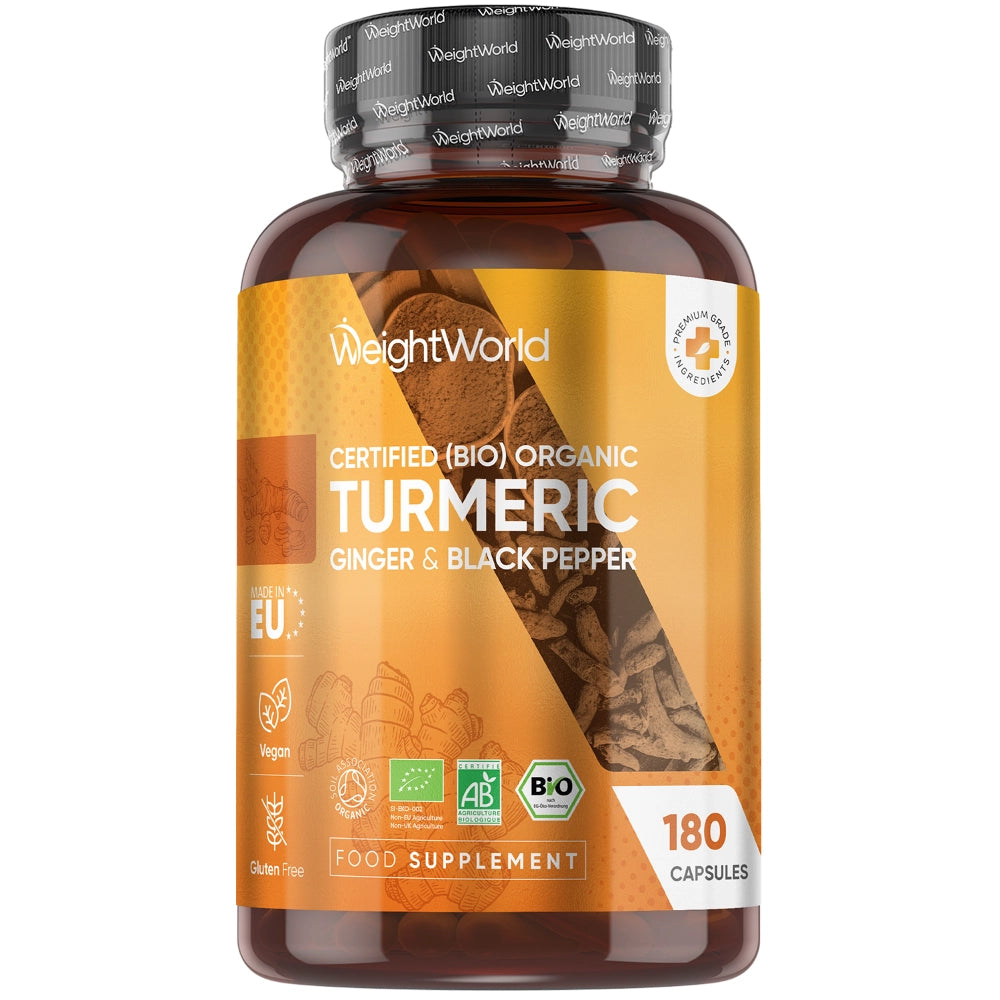
Turmeric has moved from a kitchen staple to a widely recognized supplement for supporting joint health, inflammation response, and overall wellbeing. With a surge in demand, the UK market now offers a plethora of turmeric products, each promising different strengths, formulations, and added ingredients. Selecting the right option can be overwhelming, especially when the goal is to achieve consistent, high-quality results without unnecessary fillers or sub-par bioavailability. This guide breaks down the essential criteria to consider, highlights key ingredients that boost absorption, and points out practical tips for evaluating product labels, so you can confidently choose a supplement that aligns with your health objectives.
Understanding What Makes a Turmeric Supplement Effective
Not all turmeric supplements are created equal. The therapeutic benefits largely depend on two factors: the concentration of curcumin (the active compound) and the presence of agents that enhance its absorption.
Curcumin Content
- Standardized extracts typically contain 95% curcuminoids, delivering a reliable dose per capsule.
- Look for transparent labeling that states the exact milligram amount of curcumin per serving.
- Higher curcumin levels are beneficial for inflammation control, but they should be paired with an absorption enhancer to be effective.
Bioavailability Boosters
- Black pepper extract (piperine): Increases curcumin absorption by up to 2000%.
- Phospholipid complexes (e.g., Meriva?? or BCM-95): Encapsulate curcumin in a lipid matrix, improving stability and uptake.
- Some formulations combine both piperine and phospholipids for synergistic effects.
Key Criteria for Evaluating Turmeric Supplements in the UK
When comparing options, use the following checklist to ensure you select a product that meets high standards of quality, safety, and efficacy.
- Third-party testing: Independent labs should verify potency, purity, and the absence of heavy metals.
- Ingredient transparency: Full disclosure of all active and inactive components, including capsule material (vegetarian vs. gelatin).
- Dosage consistency: Each serving should provide a consistent amount of curcumin and any bioavailability enhancers.
- Manufacturing standards: Look for GMP (Good Manufacturing Practice) certification and compliance with UK food supplement regulations.
- Customer feedback: Real-world reviews can highlight tolerability, effectiveness, and any potential side effects.
Comparing Popular Formulations
Below is a quick overview of three common types of turmeric supplements found in the UK market. Each offers distinct advantages, depending on personal preferences and health goals.
Standardized Curcumin Capsules
- Typically 500-600″?mg of curcumin per capsule.
- May include 5-10″?mg of piperine for enhanced absorption.
- Best suited for individuals seeking a straightforward, cost-effective option.
Phytosome-Based Complexes
- Curcumin bound to phosphatidylcholine, forming a phytosome that mimics natural cell membranes.
- Often provides 250-300″?mg of curcumin but delivers comparable bioavailability to higher-dose standard extracts.
- Ideal for those with sensitive stomachs or who prefer lower capsule counts.
Full-Spectrum Blends
- Combine curcumin with other turmeric constituents (demethoxy- and bis-demethoxy-curcumin) and additional antioxidants like ginger or boswellia.
- Offer a broader range of anti-inflammatory compounds.
- Suitable for users looking for a holistic approach to joint and gut health.
How to Choose the best turmeric supplement for Your Needs
Applying the criteria above, follow these steps to narrow down your selection:
- Identify your primary goal: Joint support, digestive comfort, or general antioxidant protection.
- Check curcumin concentration and boosters: Aim for ???95% curcuminoids plus either piperine or a phospholipid complex.
- Verify third-party testing: Look for certificates of analysis on the retailer’s page.
- Consider dosage frequency: Some users prefer a single high-dose capsule, while others find split dosing easier on the stomach.
- Read recent reviews: Focus on comments about effectiveness and any gastrointestinal side effects.
Practical Tips for Maximising Benefits
- Take the supplement with a meal that contains healthy fats (e.g., olive oil, avocado) to further aid absorption.
- Start with a lower dose if you’re new to curcumin and gradually increase to the recommended serving.
- Maintain consistency; benefits are typically observed after 4-6 weeks of daily use.
- Consult a healthcare professional if you’re on blood-thinning medication or have gallbladder issues.
Where to Find Reliable turmeric supplements uk
Reputable UK retailers often provide detailed product pages, batch testing results, and clear dosage instructions. Selecting a supplier that prioritises transparency helps ensure that the supplement you receive meets the high standards outlined in this guide. Look for brands that openly share their sourcing practices, whether the turmeric is farm-grown in India, Sri Lanka, or other regions known for high curcumin content.
Conclusion
Choosing the right turmeric supplement involves more than spotting a high curcumin claim. By focusing on standardized extracts, proven bioavailability enhancers, rigorous testing, and clear labeling, you can identify a product that delivers consistent, measurable benefits. Whether you opt for a straightforward capsule, a phytosome-based complex, or a full-spectrum blend, the key is to align the supplement’s profile with your specific health goals and lifestyle. With thoughtful selection and proper usage, turmeric can become a valuable component of a balanced wellness routine.